Case Study: Relocating Cold Storage Under a Tight Deadline.
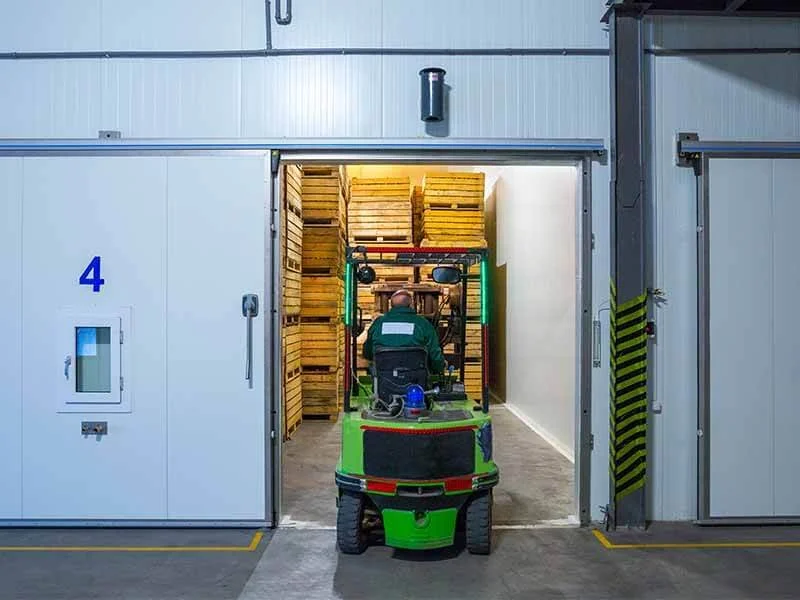
Case Study: Relocating Cold Storage Under a Tight Deadline
Every once in a while, a deal comes across your desk that reminds you why lease negotiations are as much about problem-solving as they are about square footage and rate. This one checked every box.
The Situation
Our client is a produce distributor that has spent decades supplying some of the best restaurants on the North Shore with fresh product. For over 30 years, they operated out of the same building under a mom-and-pop landlord who never raised the rent. It was the kind of arrangement a lot of longtime operators dream of — a handshake deal, below-market rent, and a landlord who valued a stable, long-term tenant over squeezing out every last dollar.
That stability ended when the building was sold to an investment group. The new owner had a clear plan: don't renew any of the existing leases, renovate the property, and bring it back to market at a significantly higher rate. Our client, along with every other tenant in the building, was given notice that their tenancy was coming to an end.
The Challenge
This is where things got complicated. Because the rent had been frozen for so long, our client hadn't been tested by the market in decades. When we went out to survey available space, there was real sticker shock — the gap between what they had been paying and where the market actually sat was substantial, and it took some work to reset expectations and build a strategy around that new reality.
But the rent gap was only part of the puzzle. This is a cold-chain operation, which meant any new space essentially needed one of two things:
Existing freezer and cooler infrastructure, which is expensive to find in the right size and configuration, or
A landlord or tenant willing to invest in a buildout to install modular walk-in coolers and freezers from scratch — a significant capital expense either way.
On top of that, our client needed overnight parking for five box trucks and two 50-foot trailers, which immediately ruled out a huge share of the available inventory. Cold storage requirements and fleet parking rarely show up in the same listing, and finding both in one property is genuinely difficult.
The Solution
We caught a break that doesn't come along often. We identified a space on the North Shore where another produce vendor was expanding into a larger facility and planned to leave behind two large walk-in coolers and freezers rather than relocate them. We negotiated to purchase that existing cold-storage infrastructure as part of the deal, which meant our client could step into a cold-chain-ready facility without the six-figure capital outlay a ground-up buildout would have required.
Because their existing lease was expiring before the new space was ready, we also worked directly with the new landlord to arrange temporary short-term space, bridging the gap so our client never had a lapse in operations — a critical detail for a business that depends on consistent, uninterrupted distribution to its restaurant customers.
From there, we coordinated a minor buildout of the new roughly 5,000 SF space to fit their operational needs, and our client signed a 5-year lease to lock in their new home.
The Outcome
What could have been a scramble turned into an upgrade. Our client walked away with:
A modern space with existing freezer and cooler infrastructure, avoiding a major capital investment
Adequate on-site parking for their full fleet of box trucks and trailers
Zero operational downtime, thanks to a bridge solution during the transition
A long-term lease that gives them stability going forward
Deals like this are a good reminder that a lease transaction is rarely just about rent per square foot. When a client's business depends on specialized infrastructure, tight logistics, and zero disruption to their customers, the real value we bring is in finding the option nobody else was looking at — and moving fast enough to make it work.
Details in this case study have been generalized to protect client confidentiality.