When Construction Costs Put a Deal at Risk
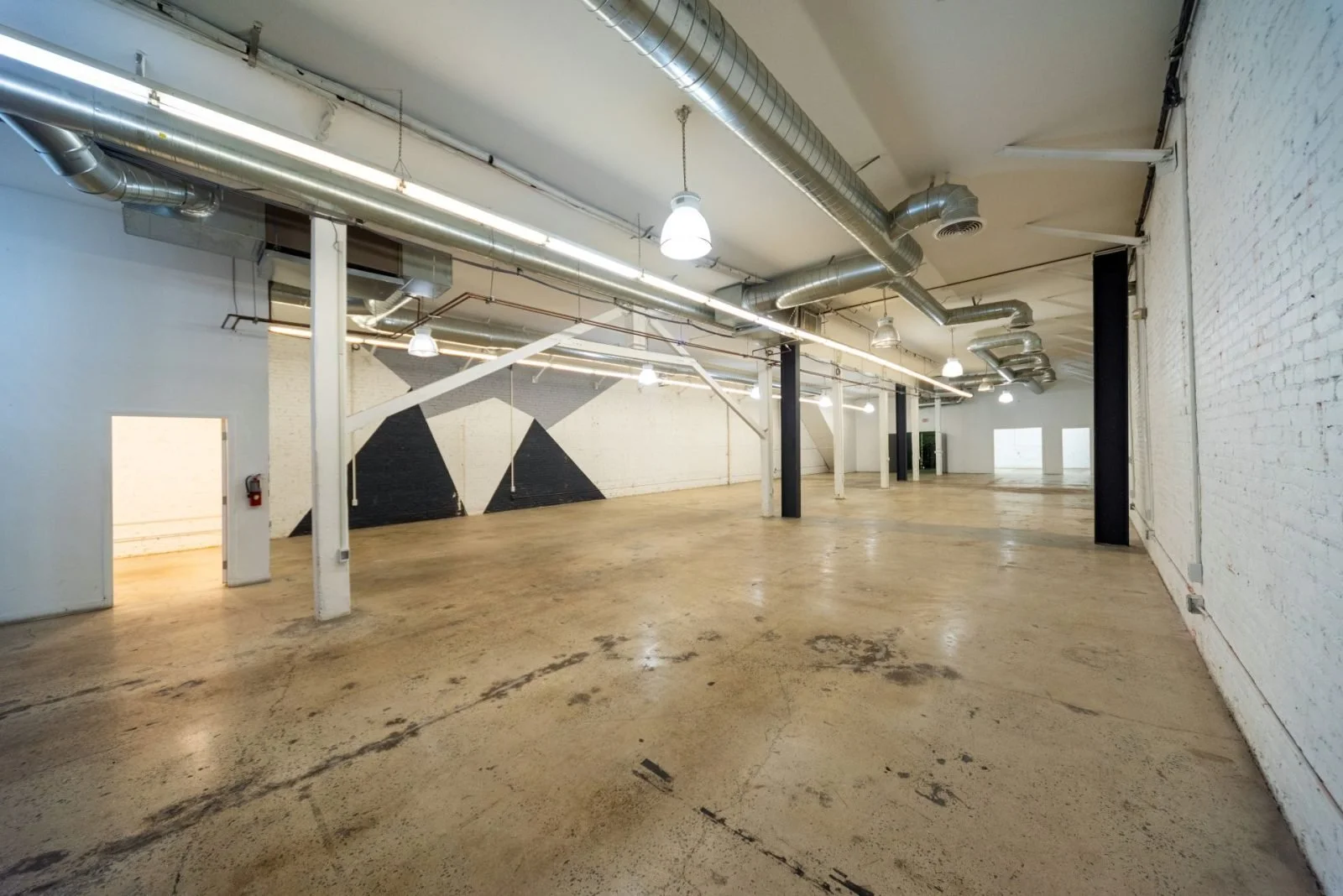
Why the economics of an industrial lease don't end with rent and term.
I recently worked a deal on the landlord side that had me sweating for a few weeks — not because the tenant walked, and not because we couldn't agree on rate. It was construction pricing that almost killed it.
The building is a multi-tenant industrial property north of Boston, owned by a local investor we’ve worked with over the years. We had a tenant lined up — a growing company with a need for additional storage and distribution space, relocating from out of state and looking to plant roots here. Term, rate, and every other major business point came together fast during LOI discussions. The kind of deal that feels like it's on rails.
The one thing left to iron out before we could actually sign the LOI and move to lease was construction cost. And that's where things got complicated.
The scope wasn't complicated. We needed to demise a 6,000 SF space down to 3,000 SF, put in a small office, add a bathroom, swap out the lighting, repaint, and run some new electrical outlets. Light rehab. Nothing structural, nothing that should have kept anyone up at night.
The number came back at $150,000. Divide that by 3,000 SF and you're looking at $50 a foot for what is, on any normal day, a pretty modest buildout. Our client looked at that number and, understandably, didn't love what it did to his return on the deal.
I've been doing this long enough to know that this is usually where deals quietly die. Not over rate, not over term — over the construction number that has to get resolved before anyone will actually sign the LOI. Both sides are aligned on everything else, but until the buildout cost pencils, there's no deal to move forward on. That's an uncomfortable place to sit, because the deal feels done and isn't.
What I've also learned is that a first bid is rarely the last word. Construction pricing on scopes like this can be genuinely unpredictable — not just expensive, but inconsistent. Depending on contractor availability, subcontractor pricing, scheduling and how each contractor approaches the scope, bids on the same job can vary considerably. I've seen it enough times that I don't take a first number at face value anymore, and I'd encourage any landlord not to either.
So that's what we did. We went back out to a few construction companies we've worked with and had them bid the same scope. We landed on a noticeably better number — still not cheap, but workable. Even with that improvement, though, the deal needed one more piece: the tenant contributing toward the cost. Not because we were renegotiating the terms everyone had already agreed to, but because closing the gap meant both sides putting something on the table.
That conversation — how to split a cost neither side wanted to fully absorb — is really where this deal got made. Not in the original negotiation over rate or term, but in a much less glamorous back-and-forth about who pays for what part of a bathroom and some new outlets.
The LOI got signed, and the deal moved to lease. Once the construction number was resolved, lease negotiations went smoothly, and the deal closed without any further hurdles. Our client’s numbers worked. The tenant got into a space that fits their business for the long haul. And nobody had to go back on what they'd already agreed to.
If there's a lesson in this one, it's that the economics of a deal don't end with rent and term.
We spend a lot of time negotiating rental rates, concessions and lease terms, but sometimes the issue that determines whether a deal actually gets signed is one nobody was focused on at the beginning. In this case, it was construction.
The first number didn't work. So we challenged it, found alternatives and worked with both sides to find a structure that did.
That's often what getting a deal across the finish line actually looks like.